

What We Do

We’re reducing violence against women and girls by helping to create the conditions for communities to thrive. Our approach is based upon four key pillars:
Conflict Resolution
Education
Economic Empowerment
Sustainable Agriculture
scroll to learn more
our new signature program
Conflict Resolution Training
Building the foundation for peaceful communication.
Our conflict resolution workshops teach foundational principles of peace-building and conflict resolution to community leaders, educators, families, and youth. Our programs develop active listening skills, emotional literacy, and effective communication to prevent and resolve disputes peacefully.
This initiative was designed to give students the tools to address conflicts in their personal lives and community, ultimately contributing to a reduction in violence, including Gender-Based Violence.
-
UNICEF report highlights that 275 million children worldwide are exposed to violence in their homes.
In societies where harmful and violent attitudes toward women and girls are normalized by both men and women, these cycles continue. Children observe and internalize the beliefs and behaviours modelled by their parents and communities. When conflict is resolved through violence at home, children are more likely to replicate these patterns in their own relationships as adults.
Education

Supporting girls with opportunities to access education.
Educating girls is a key step in breaking cycles of violence and being economically disadvantaged. In Malawi, there are long-standing systemic barriers preventing girls from attending school; boys are typically more likely to complete their full education.
At African Harmony Collective, we are partnering with community groups and government agencies to provide girls with opportunities to receive the education they deserve. We are working towards engaging families in conversations about the importance of schooling and providing financial support to help their daughters stay in school.
-
It costs about $100 USD to send a girl to school for one year, but many families in Malawi cannot afford to pay the tuition fee. Also, many families simply choose to educate their sons, rather than their daughters. Malawi has one of the highest rates of child marriages in the world. Instead of attending school, girls are often forced into early marriage, or must work to provide money for their families. About half of all girls are married before the age of 18, with close to 10 percent married off before their 15th birthday.
Only 13 percent of girls complete upper secondary school, and only 2 percent in the poorest regions.
Sustainable Agriculture
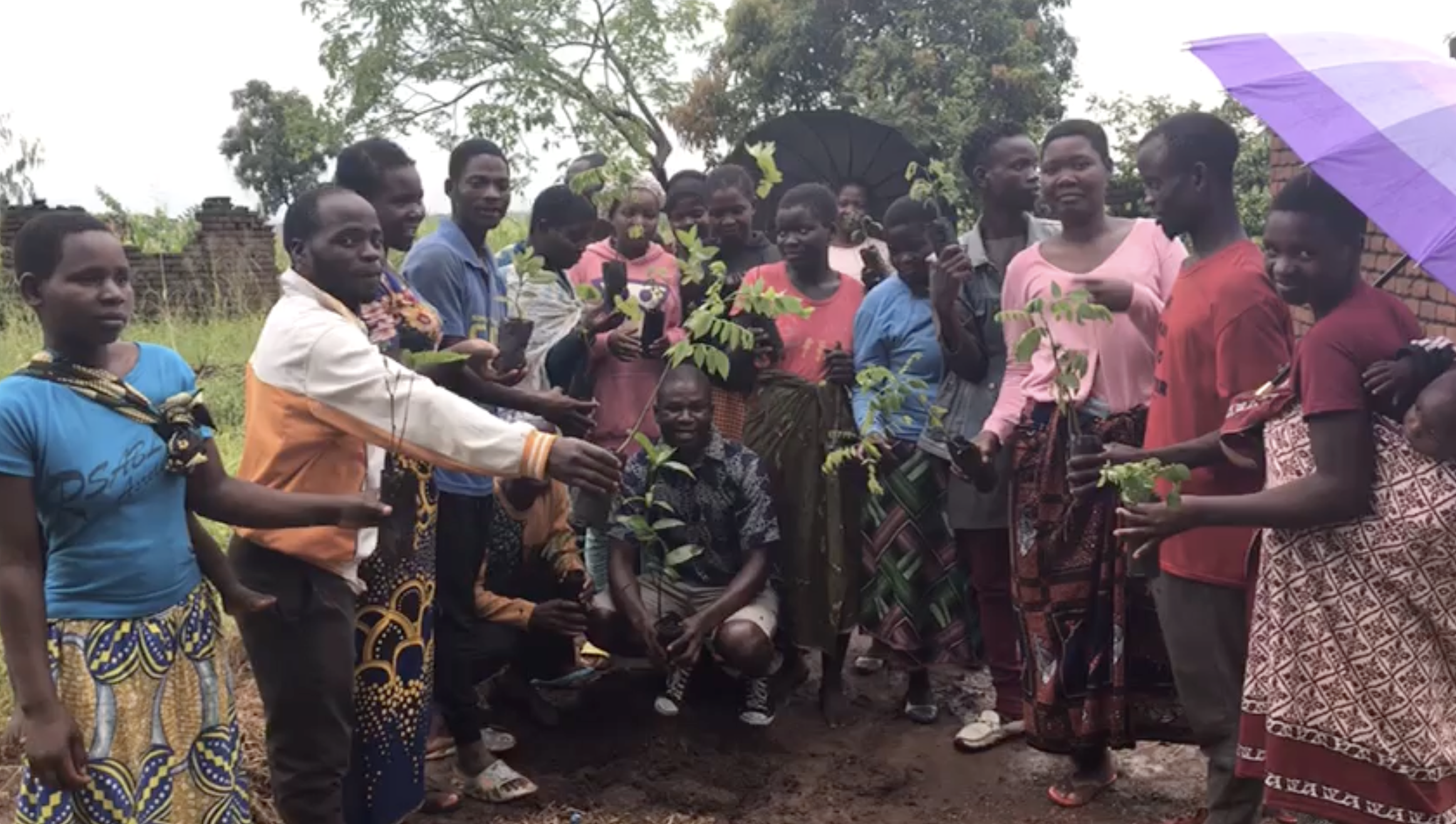
Growing crops to end food insecurity.
Small-scale sustainable farming initiatives reduce food insecurity. We provide the community with the skills to anticipate, prepare for, and respond to climate-related disasters.
Thanks to the generosity of our patrons, The African Harmony Collective has been able to purchase a plot of land to grow crops. Sustainable agriculture addresses food insecurity and builds lasting stability by creating income-generating opportunities for community members.
-
About 70% of the food consumed in Malawi is produced by women, however, there is significant exploitation of women regarding fair wages, land ownership, access to income-generating crops.
Approximately 80% of Malawi’s economy is agriculture-based. With climate change, droughts, floods, and inconsistent rainfall have become more frequent and severe, posing serious challenges to both the environment and their economy.
The result of these inequities for women is a continued cycle of reduced food production, loss of jobs, and poverty. This contributes to higher rates of abuse and violence.
Economic Empowerment
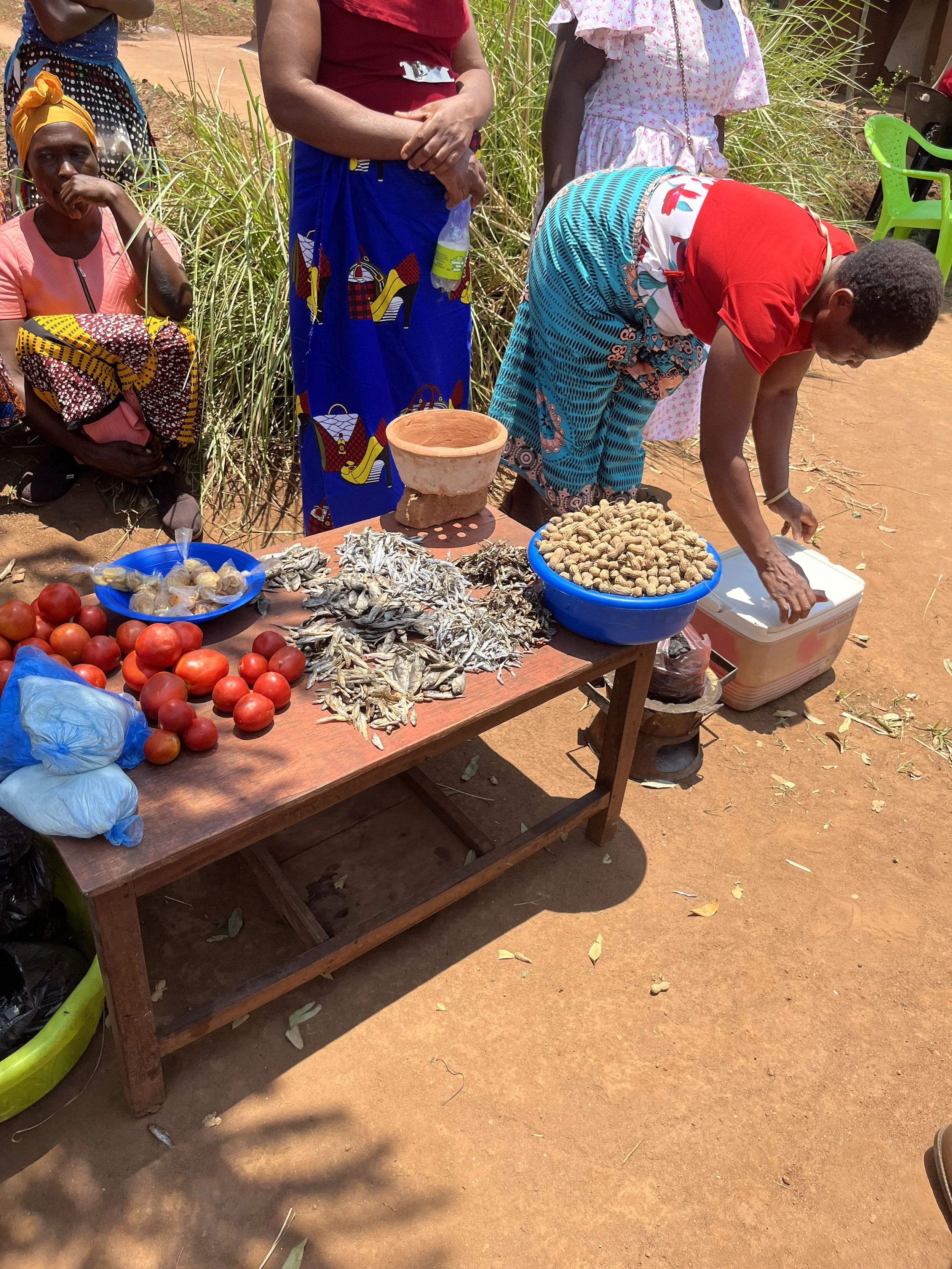
Helping women achieve financial independence and security.
We provide women with the skills necessary to help them launch micro-businesses. Women are supported with mentorship and strategies to establish and grow their own businesses. We also collaborate with government agencies and community partners so women can access small-business loans.
-
Without a means to generate income, women are dependent on men to support them. When women experience intimate partner violence, financial control is often used to prevent them from leaving abusive relationships.
By running their own small businesses, women gain the means to support their families, build confidence and independence, and reduce their vulnerability to abuse.